
Have you ever found yourself with a worn-out fishing rod handle, unsure of how to fix it? Picture this: you’re out on the water, ready to reel in the big one, but your grip is compromised by a handle in disrepair. Fret not, as we’ve got you covered with a simple solution.
In this article, we’ll show you the easy steps to replace your fishing rod handle, ensuring you’re back to casting smoothly in no time. Say goodbye to slippery grips and hello to a comfortable, sturdy handle that enhances your fishing experience. Let’s dive into the practical tips that will have you enjoying your time on the water without any handle hassles.
Key Takeaways
- Understanding the different components and types of fishing rod handles is crucial for successful replacement.
- Regularly inspecting your fishing rod handle for wear and tear signs helps maintain a comfortable fishing experience.
- Having the necessary tools and materials ready before starting the replacement process ensures efficiency.
- Following a step-by-step guide for handle replacement, including preparation, attachment, and curing, helps achieve a strong bond.
- Tips such as selecting the right handle, using proper tools, preparing the handle surface, and securing the handle are essential for a successful replacement.

Composite cork handle with reel seat.Good choice for rod building or rod repair.

the cork grip gives you a more comfortable hold for longer sessions, helping reduce hand strain when you are working on a DIY rod handle or replacing a worn fishing rod grip

Good Choice for Rod Building or Rod Repair
Understanding the Fishing Rod Handle
When it comes to fishing rod maintenance, understanding the components, like the handle, is crucial to ensuring a successful replacement process. The handle of a fishing rod plays a significant role in providing comfort and control while casting your line. Here’s what you need to know about fishing rod handles:

Solid EVA 60 Degree Hardness Offers the Finest Feel and Comfort Available

Multi‑Size Options: Included reamer outer diameters cover 8mm, 9mm, 10mm and 12mm (0.31/0.35/0.39/0.47 inch). These fishing rod building supplies deliver flexible choices to match different handle specifications

Parts of a Fishing Rod Handle
The fishing rod handle consists of several parts that work together to create a comfortable grip for anglers. Understanding these components will help you identify how to replace the handle correctly:
- Grip: This is the part of the handle where you hold the rod. It should provide a secure and comfortable hold for extended fishing sessions.
- Reel Seat: Positioned above the grip, the reel seat is where the reel attaches to the rod. It ensures the reel stays securely in place during casting and reeling.
- Butt Cap: Located at the base of the handle, the butt cap adds balance to the rod and protects the handle from wear and tear.
Types of Fishing Rod Handles
Fishing rod handles come in various materials and designs, each offering different benefits in terms of comfort and durability. Common types include:
- Cork Handles: Known for their lightweight and comfortable grip, cork handles provide excellent sensitivity for detecting fish bites.
- EVA Foam Handles: These handles are durable, easy to clean, and offer a good grip even when wet, making them ideal for saltwater fishing.
- Split Grip Handles: Featuring a gap in the grip section, split grip handles reduce the overall weight of the rod and provide better sensitivity for detecting subtle movements.
Signs of a Worn-Out Handle
It’s essential to inspect your fishing rod handle regularly for signs of wear and tear. Common indicators that it’s time to replace the handle include:
- Cracks or Splinters: These can cause discomfort and affect your grip during fishing.
- Loose Reel Seat: A loose reel seat can lead to instability and affect your casting accuracy.
Conclusion
By understanding the different parts and types of fishing rod handles, you’ll be better equipped to identify when it’s time for a replacement. Regularly checking your handle for signs of wear ensures a comfortable and effective fishing experience.
Tools and Materials Needed
To replace your fishing rod handle successfully, you’ll need a few essential tools and materials. Here’s what you’ll need:
Tools:
- Screwdriver: You may need a screwdriver to remove screws holding the reel seat in place.
- Pliers: Pliers can help you detach any stubborn components of the old handle.
- Heat gun or hairdryer: A heat gun or hairdryer can be useful for loosening glue or adhesive holding the handle in place.
- Sandpaper: Sandpaper will help you smooth any rough edges before installing the new handle.
- Epoxy or glue: Epoxy or glue will be necessary to securely attach the new handle to the fishing rod.
- New handle: Choose a replacement handle that fits your fishing rod’s specifications and your personal preference.
- Epoxy or glue: Ensure you have enough epoxy or glue to adequately secure the new handle.
- Sandpaper: Having a variety of grits of sandpaper can help you achieve a smooth finish.
- Rubbing alcohol: Use rubbing alcohol to clean the rod before attaching the new handle for better adhesion.
- Cloth or rag: Keep a cloth or rag handy to wipe off any excess glue or epoxy during the replacement process.
Having these tools and materials ready before you begin the handle replacement process will make it smoother and more efficient. Make sure to work in a well-lit and spacious area to avoid losing small parts and to have enough room to maneuver during the replacement.
Step-by-Step Guide to Replace the Fishing Rod Handle
To effectively replace your fishing rod handle, follow these straightforward steps:
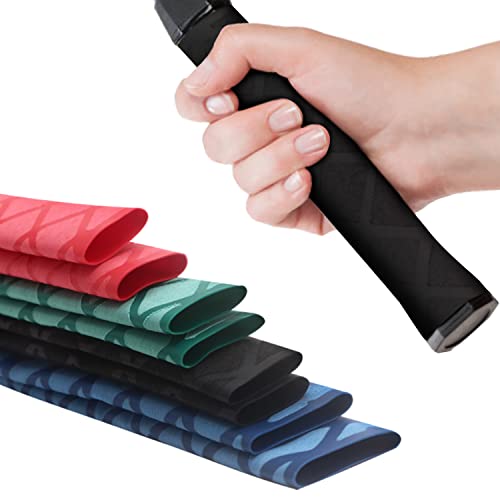
28mm Starting Diameter: The tubing is approximately 28mm (1.1 inches) wide before shrinking and fits fishing rod or tool handles measuring about 14-28mm.

Good Choice for Rod Building or Rod Repair

MODERATE-FAST ACTION & MEDIUM POWER – This 1.8m (6ft) 2-piece fishing rod delivers moderate-fast action and medium power, perfect for catching a wide variety of freshwater species such as bass, trout, walleye, panfish, and more. Great for both beginners and experienced anglers seeking precision and control.
Gather Necessary Tools and Materials
- Screwdriver: It’s essential for removing any screws or attachments holding the current handle in place.
- Pliers: These will help you with any grip or tricky components during the replacement process.
- Heat Gun or Hairdryer: You’ll need this to soften adhesives for easy handle removal.
- Sandpaper: Useful for smoothing any rough edges or surfaces before attaching the new handle.
- Epoxy or Glue: To securely bond the new handle to the rod once the old one is removed.
- New Handle: Purchase a replacement handle suitable for your fishing rod type.
- Rubbing Alcohol: Use this to clean the rod before installing the new handle.
- Cloth or Rag: To wipe down the rod and handle for a clean finish.
- Prepare Your Work Area: Find a well-lit and spacious area to comfortably work on replacing the handle.
- Remove the Old Handle: Unscrew any attachments holding the old handle in place. Use the heat gun or hairdryer to soften any adhesives. Carefully detach the old handle from the rod.
- Clean the Rod: Wipe down the rod with rubbing alcohol to remove any dirt or residue.
- Prepare the New Handle: Ensure the new handle fits your rod properly and make any adjustments if needed.
- Apply Epoxy or Glue: Spread a suitable amount of epoxy or glue on the rod where the new handle will be attached.
- Attach the New Handle: Carefully place the new handle onto the rod, ensuring it’s aligned correctly. Hold it in place until the adhesive sets.
- Secure the Handle: Follow any specific instructions that came with the new handle for optimal attachment.
- Let It Cure: Allow the adhesive to cure fully before using the rod to ensure a strong bond.
By following these steps, you can easily replace your fishing rod handle, improving your grip and comfort while out on the water.
Tips for a Successful Handle Replacement
When replacing your fishing rod handle, follow these tips to ensure a smooth and successful process:
- Selecting the Right Handle: Ensure you choose a handle that fits your fishing rod properly. Check compatibility based on the rod’s size and handle type to avoid any fitting issues.
- Proper Tool Usage: Use the correct tools for removing the old handle and attaching the new one. Common tools like a screwdriver, pliers, heat gun, and sandpaper are essential for a successful replacement.
- Handle Preparation: Before attaching the new handle, prepare it by cleaning the surface where it will be placed. Use rubbing alcohol to remove any dirt or residue that could affect the adhesive’s effectiveness.
- Adhesive Application: When applying epoxy or glue to the handle and rod, ensure you do it evenly and cover the necessary areas thoroughly. Follow the manufacturer’s instructions for the adhesive to ensure a secure bond.
- Handle Attachment: Carefully position the new handle on the fishing rod, aligning it correctly with the reel seat and butt cap. Apply gentle pressure to set the handle in place securely.
- Securing the Handle: Once the new handle is attached, secure it in position according to the adhesive’s curing instructions. Avoid using the rod until the adhesive has fully cured to prevent any handle displacement.
- Final Inspection: After replacing the handle, inspect the attachment to ensure it is secure and stable. Test the handle by gripping it firmly to confirm its stability before using the fishing rod.
By following these tips, you can successfully replace your fishing rod handle and enhance your fishing experience with improved grip and comfort for your next fishing adventure.
Conclusion
You now have all the essential knowledge to confidently replace your fishing rod handle. Understanding the components, selecting the right handle, and following the step-by-step process will ensure a successful replacement. By regularly inspecting your handle and making necessary replacements, you can enhance your fishing experience with improved grip and comfort. Remember to use the proper tools, apply adhesive carefully, and secure the new handle correctly. With these tips in mind, you’ll be ready to hit the waters with a fresh handle, ready for your next fishing adventure. Happy fishing!
Frequently Asked Questions
How do I know when it’s time to replace my fishing rod handle?
Inspect your fishing rod handle regularly for signs of wear and tear such as peeling, cracking, or loss of grip, which indicate the need for replacement.
What are the main components of a fishing rod handle?
The main components include the grip (where you hold the rod), the reel seat (where the reel attaches), and the butt cap (end of the handle).
What types of fishing rod handles are available?
Common types include cork, EVA foam, and hypalon handles, each offering unique features like durability, comfort, and grip in different fishing scenarios.
How can I successfully replace my fishing rod handle?
Choose the right handle for your fishing style, use the proper tools, prep the handle surface, apply adhesive evenly, secure the new handle tightly, and conduct a final inspection for a successful replacement.