
Ever wondered how many fishing poles you can use in Minnesota without breaking any rules? Picture this: you’re out by the serene lakes of Minnesota, ready to cast your line, but suddenly you’re unsure about the regulations on the number of fishing poles allowed. Don’t worry, we’ve got you covered!
In this article, we’ll simplify the fishing regulations in Minnesota, specifically focusing on the number of fishing poles you can use. By the end, you’ll have a clear understanding of how many poles you can have in the water at once, ensuring a seamless fishing experience in the Land of 10,000 Lakes. Let’s dive into the specifics and make sure your next fishing trip in Minnesota is hassle-free and enjoyable.
Key Takeaways
- In most Minnesota waters, anglers are allowed to use up to two fishing lines or rods.
- Exceptions exist for specific fish species such as muskellunge, lake sturgeon, and paddlefish, where only one line per angler is permitted.
- When ice fishing, anglers can use up to two lines or rods similar to open water fishing regulations.
- It is recommended to check the specific regulations for the waterbody you plan to fish in, as additional rules or exceptions may apply.
- Adhering to fishing pole regulations not only ensures compliance but also supports sustainable fishing practices and protects fish populations in Minnesota.

🎣 Warm Prompt: Full Kit with Carrier Case Include 1 Fishing Rod + 1 Fishing Reel + Fishing Line + Various Fishing Lures + Fishing Hooks + Some Necessary Accessories + Carrier Bag.
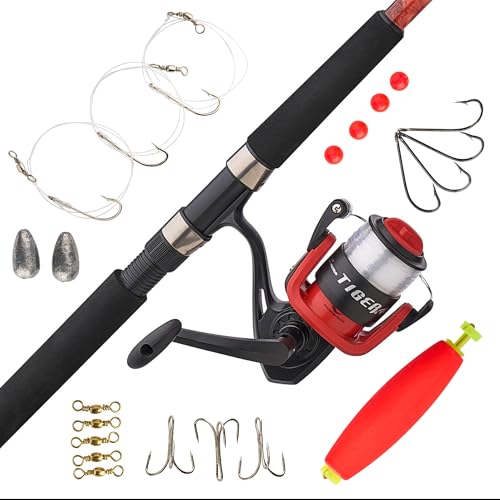
SHAKESPEARE TIGER CATFISH SPINNING COMBO: An action-ready combination, the Shakespeare Tiger Spinning Combo is an ideal choice for catfish, striper and other freshwater and saltwater game fish. Includes a 23-piece catfish tackle assortment.

🎣 Warm Prompt: Fishing rod(5.91FT)+reel(No Lures & Line) Include 1 Fishing Rod +1 Fishing Reel.
Regulations on Fishing Poles in Minnesota
When fishing in Minnesota, knowing the regulations on the number of fishing poles you can use is essential to ensure compliance and a smooth fishing experience. Here’s a breakdown of the rules you need to follow:
- General Regulations:
- You are allowed to use up to two fishing lines or two fishing rods in most Minnesota waters. This means you can have one line per angler, up to a maximum of two lines or rods per angler when fishing.
- Exceptions:
- Muskellunge, Lake Sturgeon, and Paddlefish: When fishing for muskellunge, lake sturgeon, or paddlefish, you are restricted to a single line with one lure or bait per angler. This regulation is specific to these fish species to protect their populations.
- Ice Fishing:
- When ice fishing in Minnesota, the regulations allow you to use up to two lines or two rods. Similar to open water fishing, this means you can have one line per angler, up to a maximum of two lines or rods per angler.
- Tip:
- It’s always a good practice to check the specific regulations for the waterbody you plan to fish in. Some lakes or rivers may have additional rules or exceptions regarding the number of fishing poles allowed.
By understanding and following the regulations on fishing poles in Minnesota, you can enjoy your fishing trips without any concerns about compliance. Remember, adhering to these rules not only helps protect the fish populations but also contributes to sustainable fishing practices in the Land of 10,000 Lakes.

BERKLEY FIRELINE: This new and improved braided fishing line boasts a versatile combination of smooth operation, maximum durability, and sensitive handling.

Strong Knot Strength - Dynamically incorporated strands in KastKing SuperPower Braided Lines allow you to easily tie a more solid knot; you can even tie an improved clinch knot. The special proprietary treatment (without a waxy coating) allows the supple fishing line to zip through the guides to your target and gives you better lure swimming action.

SMOOTH: This very smooth copolymer line is made for light line fishing
Enforcement of Fishing Pole Regulations
When fishing in Minnesota, knowing and following the regulations regarding the number of fishing poles you can use is crucial. Violating these rules can result in fines or penalties. Here’s what you need to know about the enforcement of fishing pole regulations in the state:

Composite Blank Construction

UGLY STIK CARBON ICE 32" SPINNING ROD AND REEL COMBO: Delivers the same trusted Ugly Stik toughness with precision action tailored for ice fishing applications.
UGLY STIK CARBON ICE 28" SPINNING ROD AND REEL COMBO: Delivers the same trusted Ugly Stik toughness with precision action tailored for ice fishing applications.
Understanding the Limits
While most waters in Minnesota allow anglers to use up to two fishing lines or rods, there are exceptions. For certain fish species like muskellunge, lake sturgeon, and paddlefish, the regulations only permit the use of one line per angler. It’s essential to be aware of these specific rules based on the fish species you are targeting to avoid any violations.
Ice Fishing Regulations
Even during ice fishing, the same rules apply regarding the number of lines or rods you can use. Anglers are generally allowed up to two lines or rods per person when ice fishing. Ensure you familiarize yourself with the regulations for ice fishing locations as they may vary based on the waterbody.
Compliance Benefits
Adhering to the fishing pole regulations not only helps you avoid fines but also contributes to sustainable fishing practices in Minnesota. By following these guidelines, you play a part in conserving the state’s diverse aquatic ecosystems for future generations to enjoy.
Reviewing Specific Rules
Given the varied rules across different waterbodies in Minnesota, it’s advisable to review the specific regulations for the lake or river where you intend to fish. Understanding the regulations beforehand can enhance your fishing experience and prevent any unintentional violations.
Supporting Conservation Efforts
Complying with the regulations demonstrates your commitment to preserving Minnesota’s rich natural resources. Responsible fishing practices not only protect the environment but also ensure that recreational fishing remains enjoyable and sustainable for all anglers.
Stay Informed
Stay updated on any changes or updates to the fishing regulations in Minnesota. Being informed about the latest rules can help you plan your fishing trips effectively and ensure a smooth and enjoyable experience on the water.
Conclusion
Knowing the fishing regulations in Minnesota, especially regarding the number of fishing poles allowed, is crucial for a successful fishing trip. By following the guidelines, you contribute to maintaining the balance of aquatic ecosystems and ensuring a positive fishing experience. Remember, most waters permit the use of up to two fishing lines or rods, with exceptions for certain fish species. Compliance with these rules not only avoids fines but also supports sustainable fishing practices. Stay informed about any updates to the regulations for each waterbody you fish in, and always prioritize conservation efforts. Enjoy your time on the water while respecting the rules that help preserve Minnesota’s diverse fish populations.
Frequently Asked Questions
How many fishing poles can I use in Minnesota waters?
In most Minnesota waters, anglers can use up to two fishing lines or rods, except for specific fish species like muskellunge, lake sturgeon, and paddlefish where only one line per angler is allowed.
Are there restrictions on the number of fishing lines during ice fishing in Minnesota?
During ice fishing in Minnesota, anglers are allowed to use up to two lines or rods per angler, similar to fishing in open water regulations.
What are the consequences of not following fishing regulations in Minnesota?
Violating fishing regulations in Minnesota can result in fines or penalties, making it crucial for anglers to understand and adhere to these rules for a seamless fishing experience.
Why is it important to comply with fishing regulations in Minnesota?
Compliance with fishing regulations is essential in supporting sustainable fishing practices and conservation efforts in Minnesota’s diverse aquatic ecosystems, ensuring the preservation of fish populations for future generations.